What does it mean to be intersex?
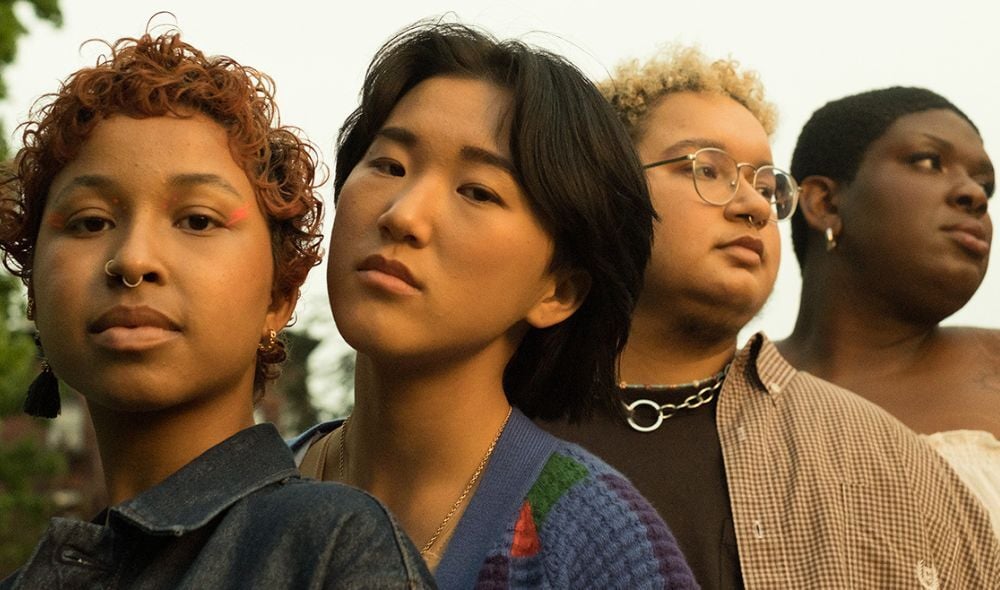
"What does 'intersex' mean?"
Intersex is a term that describes a person born with physical sex traits—such as chromosomes, hormones, reproductive anatomy, or genitalia—that don’t fit the typical definitions of male or female. This can look many different ways. Some intersex traits are visible at birth; others may not be discovered until puberty or later in life.
Being intersex is not the same thing as being transgender or non-binary, though many people may belong to more than one of these identities. Intersex describes biological traits, while words like transgender or non-binary describe someone’s gender identity.
It's a common misconception that intersex means someone is "both male and female." This is not true. Intersex traits simply don’t fit neatly into one category. They don’t make a person “two sexes at once."
"How common is it to be intersex?"
Intersex people are more common than most people realize. A widely cited estimate suggests about 1.7% of the population is intersex—about as common as people with red hair.
But the true number may be significantly higher. Why? Many intersex traits aren’t visible at birth. Unless someone undergoes genetic or hormonal testing (which most people never do unless there’s another health concern), their intersex variation may never be identified. That means there are likely many more intersex people than reported statistics capture.
What’s clear is this: intersex people are natural part of every community, culture, and country—and always have been.
"Do intersex people need surgery or treatment?"
No one needs to be “fixed.” Sadly, many intersex infants and children have historically been subjected to non-consensual medical interventions to make their bodies conform to societal expectations of “male” or “female.” These surgeries and treatments are often unnecessary, can have lifelong consequences, and are increasingly opposed by intersex advocates and human rights organizations worldwide.
Some intersex people may choose medical treatment later in life, just as anyone might make healthcare decisions based on their own needs. But the key is choice. Every person deserves the right to make decisions about their own body when they are ready.
If you’ve just learned you’re intersex...
If you are newly navigating an intersex diagnosis, you might feel relief at having answers—or confusion, grief, anger, or even pride. All of these emotions are valid. It can be overwhelming to process new medical information, navigate family reactions, and figure out what this means for your identity or your health.
Please know: you are whole, exactly as you are. Your experiences and feelings are real, and you deserve respect, compassion, and support. Being intersex doesn't define you. It's just one part of who you are—a beautiful, complex, unique person.
Many intersex people find strength and connection in community. Reaching out to intersex-led organizations, support groups, or others with lived experience can be a powerful step in finding solidarity and affirmation.
If you want to be a better ally...
Supporting intersex people starts with education and respect:
- Learn from intersex-led organizations and voices.
- Don’t assume someone’s gender, body, or experiences.
- Speak out against harmful myths and unnecessary medical interventions.
- Believe intersex people when they share their stories.
Small actions, from using respectful language to amplifying intersex voices, make a real difference.
A First-Person Perspective: AC’s story
"My name is AC. I use he/him pronouns, and I’m 46 years old. Like many intersex people, I didn’t learn about my intersex variations until adulthood. Even then, I discovered them in a piecemeal way that required extensive research about my own body. With so many intersex variations, I had my work cut out for me!
Missing from my research were medical studies, doctor opinions, and health-related resources—because it’s extremely rare for doctors to receive any training about intersex variations. I decided to change that by creating educational programs for medical professionals. Over the years, I’ve provided education to the American Medical Association and delivered training in medical, nursing, and physician assistant programs at universities. I’ve also offered countless hours of professional development for hospital departments and medical offices. Thankfully, we’re starting to see more trans and intersex people becoming doctors who specialize in these areas—which is desperately needed!
I encourage you to read this resource document, which was recently removed from the U.S. Department of Health and Human Services website because it does not align with the current administration’s executive order on so-called “biological truth.” This document was a labor of love, created by intersex people to educate the public and affirm the reality of our lives.
Back to “biological truth”…
Intersex people are biologically real. Someone with XXY chromosomes deserves the same rights as someone with XX or XY chromosomes—but that’s not how this administration sees it. Under current policies, a person with XXY chromosomes who was assigned female at birth but experienced a testosterone-driven puberty is denied equal access to medical treatments, identity documents, and non-discrimination protections.
Intersex people can be cisgender, transgender, gay, straight—anywhere on the spectrum. While I personally check multiple boxes (intersex and transgender), many cisgender intersex people face the same procedural challenges as transgender people when accessing medical care and updating identity documents.
I am currently a named plaintiff in the Orr v. Trump passport lawsuit. I joined the ACLU’s case as an intersex person who believes everyone deserves documents that accurately reflect who they are—not what a doctor guessed their infant body would become.
It’s crucial for trans advocacy to include intersex people. Intersex individuals, including those who are cisgender, often need similar treatments (like HRT) and document changes (such as amended birth certificates). Over the past 25 years, trans awareness has far outpaced intersex awareness. If you’re unfamiliar with intersex issues, please read the attached PDF and continue learning by following @InterACT_adv on Instagram. You can follow me too—my handle is @Transplaining. Thank you for reading!"
Resources for support and info:
- interACT Advocates for Intersex Youth: U.S.-based nonprofit advancing the rights of intersex youth through legal advocacy, education, and storytelling.
- Intersex Justice Project (IJP): U.S.-based grassroots organization led by intersex people of color, working to end non-consensual surgeries on intersex children.
- OII Europe (Organisation Intersex International Europe): Regional umbrella organization advocating for intersex human rights and visibility across Europe.
- Organisation Intersex International (OII) Global Network: International network of intersex organizations and activists promoting human rights, peer support, and visibility worldwide.
If you’re exploring your own identity, you might also want to read "How Do I Know If I’m Trans?”, an overview of what being trans can look like, and "How Do I Know If I’m Non-Binary?”, a guide to common questions and non-binary identities.
The information on this page is for general education only. It is not medical advice, legal advice, or professional advice. For questions or help with your specific situation, please talk to a licensed doctor, lawyer, or another qualified expert.

Written by Point of Pride
Point of Pride provides financial aid and direct support to trans folks in need of health and wellness care.